Beacon Best Sealcoating for Long-Lasting Pavement Protection
Beacon Best Sealcoating for Long-Lasting Pavement Protection
Blog Article
Your Reliable Paving Contractor: Quality Surfaces for Every Project
Picking a trustworthy paving contractor is fundamental for any project. Superior surfaces not only improve visual appeal but also provide longevity and security. A trusted contractor combines seasoning with a commitment to utilizing premium materials. Their proficiency can greatly impact the final result. Understanding what to spot in a contractor can make all the difference. Discover the key elements that distinguish quality contractors and how they lead to successful installations.
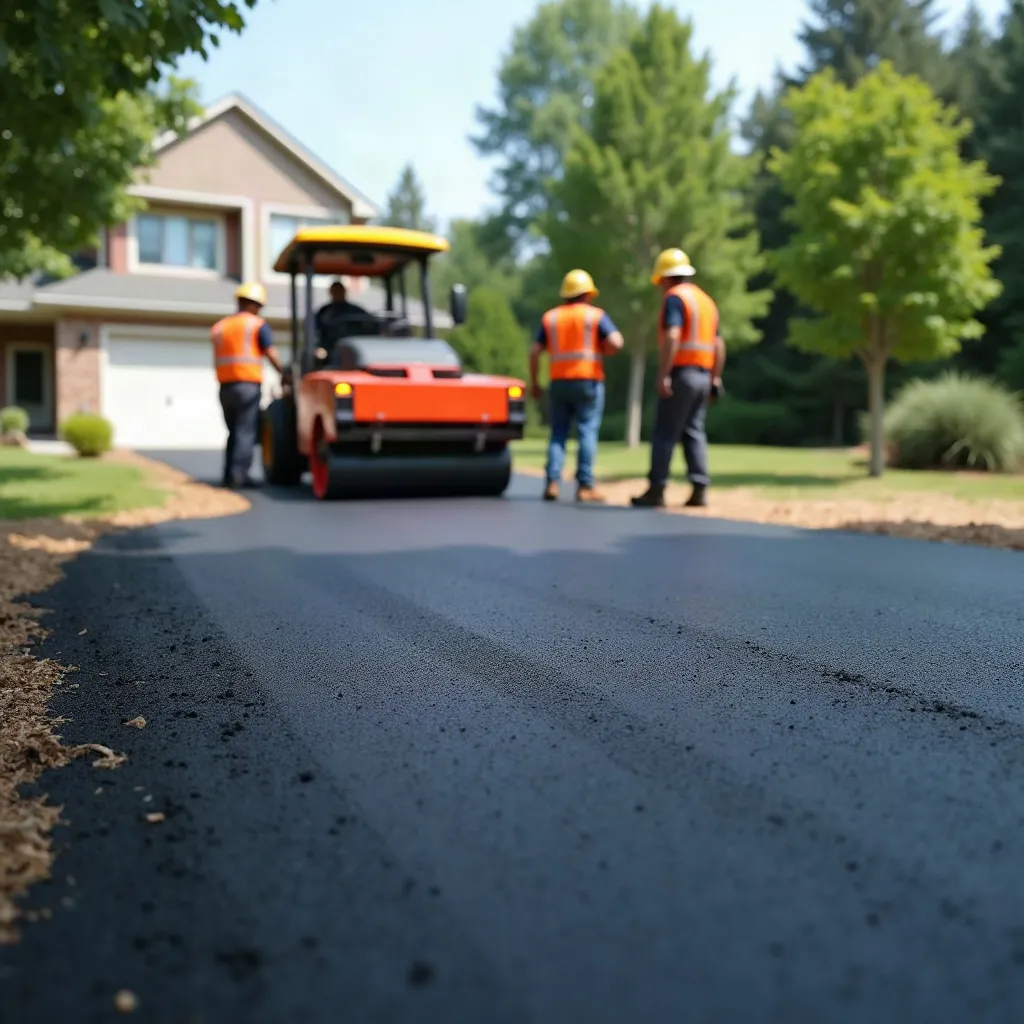
Why Choosing a Dependable Paving Contractor Is Important
Selecting a trustworthy asphalt professional is essential, as the quality of work can significantly impact the longevity and appearance of asphalt areas. A competent contractor guarantees that proper materials are chosen and installed correctly, reducing the likelihood of early deterioration and harm.
The suitable builder respects local regulations and industry standards, which can prevent expensive legal problems or penalties. In turn, skilled practitioners are conversant with varying soil conditions, drainage requirements, and climate considerations, allowing for improved results customized to particular locations.
Poor craftsmanship can cause uneven surfaces, cracking, and safety hazards, which ultimately increase maintenance costs. By selecting a reputable contractor, clients can have faith in the durability of their investment, knowing it will survive the test of time.
Choosing wisely can help you save both resources and funds in the long run, making this a essential stage in any paving project.
Important Attributes of a Reputable Paving Contractor
A credible paving contractor has key qualities that confirm a positive project.
Understanding and expertise serve an crucial role in navigating the complexities of paving work, while utilizing quality materials secures durability.
Moreover, early project completion reveals a contractor's professionalism and commitment to client satisfaction.
Experience and Skill
While countless factors contribute to the designation of a credible paving contractor, experience and expertise rank among paramount qualities. A contractor with extensive experience is best positioned to navigate the complexities of diverse projects, ensuring effective performance and outstanding results.
Their developed insight permits them to recognize emerging challenges and execute productive answers. Proficiency remains equally important, as it reflects a contractor's familiarity with the latest techniques and industry standards.
This mixture permits them to offer knowledgeable recommendations, enhancing the overall project result. Clients can depend on experienced contractors to deliver outstanding skill, underpinned by a proven track record.
Finally, selecting a contractor with strong experience and expertise forms the bedrock for a effective paving project.
Quality Materials Utilized
High-quality materials form the cornerstone of any thriving paving project. A dependable paving contractor prioritizes the use of top-grade asphalt, concrete, and stone to guarantee durability and longevity.
Premium asphalt, for instance, offers robust resistance to weather elements and heavy traffic, reducing the likelihood of cracks and surface deterioration. Additionally, reputable contractors source materials from trusted suppliers, confirming compliance with industry standards.
This focus on quality not only enhances the aesthetic appeal of the paved surface but also supports safety and performance. Moreover, employing premium materials often leads to lower maintenance costs over time, making it a sound decision for clients.
In essence, the selection of materials shows a contractor's dedication to superior quality and customer satisfaction.
Efficient Project Conclusion
Timely project completion represents a hallmark of a dependable paving contractor. Clients rely on contractors to stick to established timelines, guaranteeing that projects move forward and productively.
A dependable contractor presents impressive project management skills, directing labor, materials, and equipment effectively to satisfy deadlines. This resolve not only enhances customer satisfaction but also nurtures trust and supports long-term relationships.
Moreover, timely delivery reduces interruptions for property owners and neighboring regions, allowing for faster entry and usability. Contractors who frequently deliver projects on time often differentiate themselves in the competitive paving industry, showcasing their professionalism and dedication to quality service.
Ultimately, timely project completion demonstrates a contractor's reliability and dedication to quality in every paving endeavor.
Paving Services Supplied by Your Reputable Contractor
A comprehensive selection of paving services is essential for any contractor committed to delivering quality results.
A reputable paving contractor usually provides asphalt paving, which is perfect for driveways and parking lots because of its strength and cost-effectiveness. Concrete paving is another popular option, known for its longevity and visual attractiveness, suitable for both residential and commercial applications.
Moreover, services may feature sealcoating, which protects surfaces from weather and wear, and pavement repair, addressing cracks and potholes to preserve safety and functionality.
Some contractors also offer ornamental pavement choices, enhancing aesthetics with designs and surface finishes.
Moreover, excavation and grading services ensure adequate ground readiness, establishing a solid foundation for pavement work.
Why Top-Tier Supplies Are Essential for Your Paving Assignment
Selecting premium materials is vital for the achievement of any paving job. The choice of materials affects durability, appearance, and general effectiveness. Top-grade asphalt or concrete can resist weathering forces, lowering the likelihood of cracks and surface deterioration over time.
This longevity not only boosts the aesthetic value but also decreases maintenance costs, delivering long-term savings for real estate owners.
Additionally, the right materials can increase protection by providing better friction and minimizing the risk of slips and falls. Premium materials also lead to proper drainage, blocking water accumulation that can result in structural issues.
In the end, selecting superior materials secures a dependable and attractive surface that addresses the specifications of multiple uses, from driveways to commercial lots.
Preparing Your Site for Paving
Before asphalt work begins, thorough site preparation is essential to ensure a successful outcome. This procedure involves several key steps to verify the area is ready for the installation of pavement.
First, the existing surface must be cleaned of any dirt, plants, or unstable particles that could interfere with the paving.
Finally, grading the site is vital to create a stable foundation, permitting suitable drainage and thwarting upcoming setbacks like pooling water or structural damage.
Furthermore, it is vital to inspect the soil condition. If the soil is too loose or unstable, it may demand compaction or the addition of suitable materials to enhance its strength.
Marking out the areas for paving will also help in organizing the layout effectively.
Finally, confirming that infrastructure lines are identified and secured will prevent expensive complications during the paving operation.
Adequate site preparation provides the groundwork for a durable and long-lasting pavement surface.
What Can You Anticipate During the Paving Procedure?
What could one expect during the paving process? Initially, a professional paving contractor will examine the site to confirm readiness. This includes verifying the sub-base and confirming proper fluid drainage.
After this, the team will start by laying down the selected material, either asphalt or concrete. Heavy machinery will generally be used to guarantee an even surface, and this process often requires multiple layers for longevity.
Once the initial layer is set, it may need duration to cure before additional layers are applied. During this phase, the contractor will monitor the humidity and thermal conditions to ensure ideal conditions.
Once the final surface is applied, it will be compacted to remove air pockets and improve stability. Communication is vital; clients should expect regular reports on progress and any potential worries.
Methods for Sustaining Your Paving Materials for Lasting Performance
Regular care of paved surfaces is critical for maintaining their durability and operational efficiency.
Diligent cleaning practices, a regular preventative sealant program, and timely repairs can greatly boost the operational life of the pavement.
Standard Cleaning Methods
Routine upkeep routines substantially increase the longevity of paved surfaces. Consistently sweeping away debris, such as leaves and dirt, prevents the buildup of materials that can lead to stains and deterioration.
Using a power washer will effectively eliminate algae, moss, and difficult marks while preserving its clean look. It is advisable to steer clear of harsh chemicals that may harm the surface; alternatively, selecting gentle options is suggested.
Addressing spills quickly also minimizes the risk of staining. Ensuring suitable drainage helps eliminate water accumulation, which can deteriorate the surface over time.
Sealant Application Schedule
A regular seal coating plan is essential for preserving both the look and condition of paved surfaces. Generally, professionals recommend applying sealant every 2-3 years, depending on the surface type and weather factors.
Conditions including sun exposure, heavy traffic, and extreme weather can influence the lifespan of the sealant. Before applying, it is important to thoroughly clean surfaces to get rid of particles and marks. This guarantees proper adhesion and effectiveness of the sealant.
In addition, selecting high-quality protective products can boost safeguarding against moisture and damage. Scheduling applications during mild weather can also optimize results, as harsh temperatures may affect curing.
Faithful adherence to this schedule can greatly prolong the longevity of paved surfaces.
Fast Repairs and Repairing
Swift upkeep and caulking are necessary for the persistence of concrete. Resolving minor cracks and potholes at once can forestall extensive damage, saving both resources and effort.
Regular check-ups are essential; identifying issues early enables timely interventions. When patching, it's crucial to use premium products that match the existing surface to guarantee a seamless repair.
In addition, maintaining good drainage is critical to stop water accumulation, which can intensify surface deterioration. Establishing a regular upkeep plan, including regular sealing and cleaning, will improve long-term durability.
Ultimately, a preventative strategy to maintenance work not only upholds the integrity of paved surfaces but also prolongs their longevity, ensuring they stay practical and pleasing to the eye for years to come.
Frequently Asked Questions
How long Does the Paving Process Typically Take?
Paving work typically requires one to three days, depending on project size and complexity. Variables including atmospheric circumstances, site preparation, and material choices can impact the timeline, causing each project uniquely variable in length.
Which Kinds of Payment Options Do You Accommodate?
The contractor receives various payment methods, such as credit cards, cash, and checks. Furthermore, financing plans may be offered up, allowing freedom for clients to choose access now a payment solution that best suits their financial situation.
Do You Offer Guarantees on Your Work?
Yes, warranties are offered on their projects, guaranteeing client satisfaction and trust in the quality of supplies and workmanship. These warranties vary by project type, providing peace of mind for clients putting money in paving work.
Could you furnish endorsements from previous customers?
Yes, references from earlier clients are available upon request. They highlight the contractor's commitment to superior standards and customer satisfaction, showcasing successful projects that demonstrate both knowledge and dependability in paving services.
How Much Do Climate Variables Affect the Paving Schedule?
Weather patterns greatly influence paving timelines. Rain, extreme temperatures, and humidity can postpone projects, affecting material curing and adhesion. Contractors must carefully monitor forecasts to adjust timelines and assure ideal paving conditions for durability.
Report this page